STEADY
ACRE
A small network of listening devices that records continuously, identifying every species it hears in real time using AI running directly on the hardware. No cloud required. Nothing missed.
Listening to the East Bay Hills
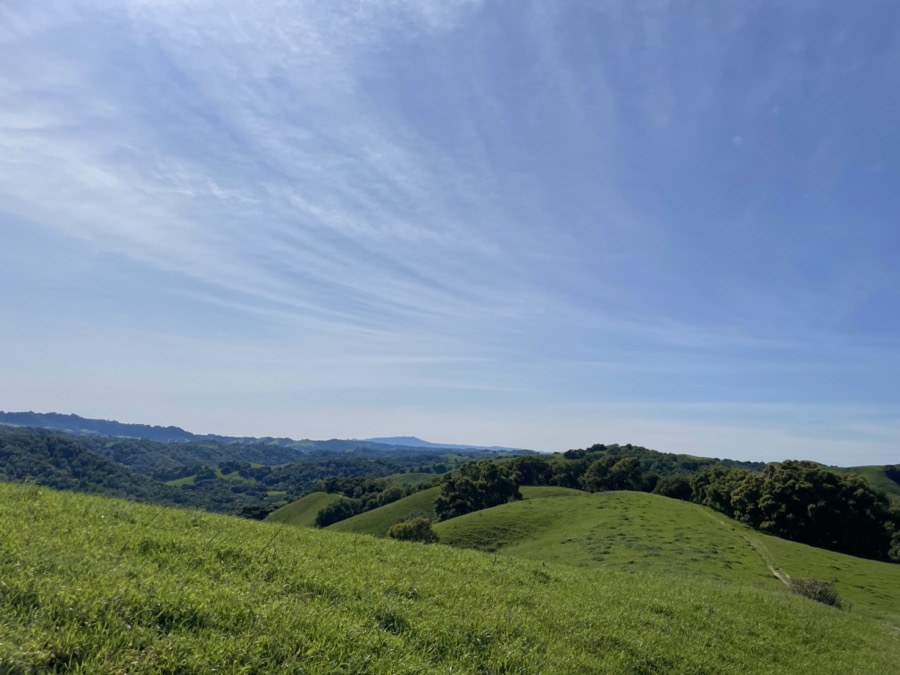
The Berkeley hills are not a single habitat. Elevation, slope, drainage, and overnight temperature swings create dozens of distinct acoustic environments within a few miles of each other.
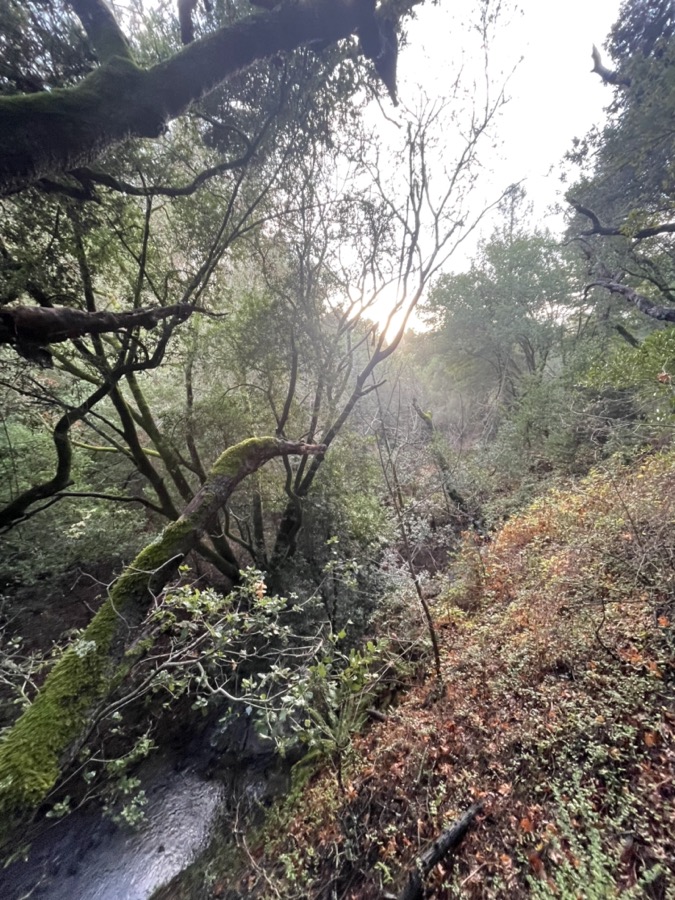
I have a few nodes that I take out on field trips and run continuously from home, and the system is already finding things I wouldn't have noticed on my own. Pacific tree frogs start calling hours before any weather app registers rain. The animals are a faster sensor than the forecast. A specific type of bird called a Wrentit shows up almost exclusively along one narrow stretch of hillside, right where the scrubby chaparral gives way to oak trees, and the system has learned to use that boundary as a landmark. Move 300 meters downhill to a shaded ravine and the whole cast of characters changes: different thrushes, different timing, a completely different soundscape shaped by the cooler air and morning fog.
The system connects what it hears to where it is, the elevation, the weather, the lay of the land, and starts to build a theory about why. From that it can flag nearby spots likely to sound similar, and point out places it has never listened to and wants to. On my last trip out, it suggested a creek drainage it had no data on. I brought the node there and it found three species it hadn't picked up anywhere else on the site.
Real Brains, No Cloud
Most wildlife monitors send audio to a remote server for analysis, which means gaps, costs, and privacy concerns. Cricket runs its own AI directly on a small computer at the edge of the field. When Cricket detects something, Mantis can respond immediately — closing the loop between detection and action without any cloud round-trip.
Listen
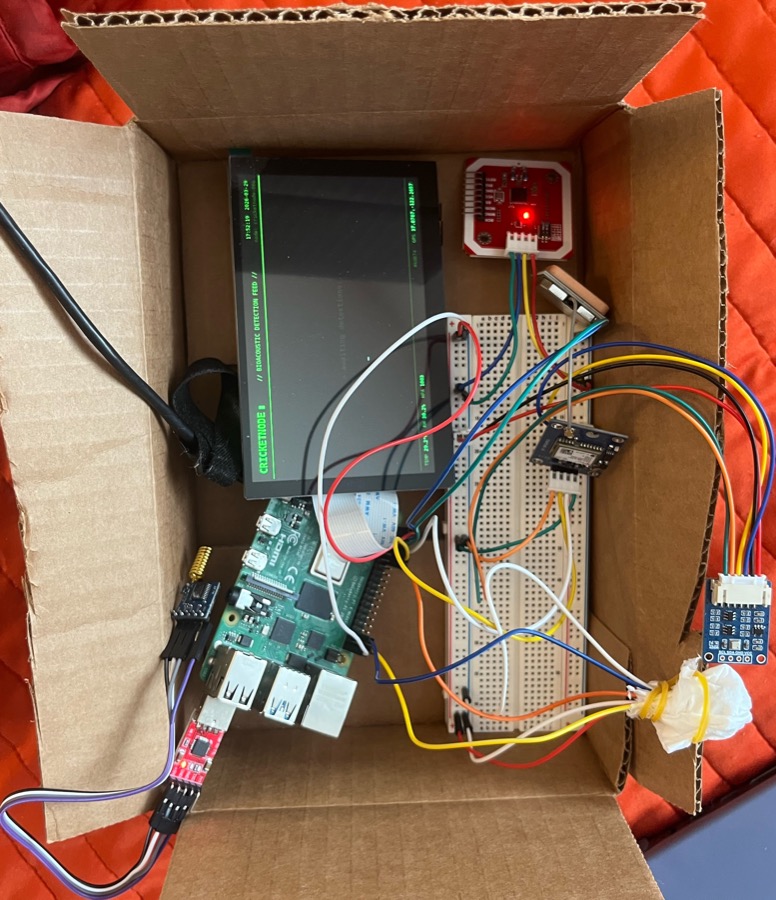
Microphones record continuously so nothing gets missed. A hub node coordinates a mesh of smaller field nodes, each covering a different part of the site.
Identify
The moment something is detected, an AI model trained on thousands of species runs locally on the device itself. No internet connection needed. No audio ever leaves the property.
Map & Report
Detections are pinned to a live map with GPS coordinates, confidence scores, and audio clips you can play back. A nightly report summarizes what was found and flags anything unusual.
Act
Pest pressure detected early means farmers can respond before damage occurs, with targeted evidence-based intervention instead of blanket spraying.
Detection Is Just the Start
Cricket tells you what's there. The next piece of the system is what to do about it.
Mantis — Acoustic Deterrence
A companion unit that responds to Cricket detections with targeted acoustic deterrents: species-specific sounds that discourage pests without chemicals, without harming beneficial species, and without bothering neighbors. Because both devices are local and always on, the response is immediate and automatic.
In DevelopmentWhat It Will Cost
Not selling yet, still in research and validation. When we launch (targeting early 2027), here's the rough shape of what we're planning:
- Hub node + field mic
- Local AI identification
- Live monitor & map dashboard
- Nightly species reports
- Audio clip playback
- Pi 4 hub + 2x Pi Zero field nodes
- LoRa mesh, no WiFi needed
- Full site coverage + GPS mapping
- Everything in Starter
- Add nodes at ~$89 each
- Multi-node kit shipped to you
- Fully yours after 12 payments
- Includes setup support
- Good for lease-based farms
Mantis
The acoustic deterrence companion to Cricket. Pair it with any Cricket setup and it closes the loop automatically: detection in, response out, no cloud required.
- Pairs with any Cricket hub
- Species-specific acoustic deterrents
- Responds automatically on detection
- No internet, no subscription
- Mantis unit shipped to you
- Fully yours after 12 payments
- Includes setup support
- Good for seasonal or lease-based farms
- Everything in Multi-Node
- Mantis unit included
- Detect and respond from day one
- Best value for new installations
- Rent-to-own available: ~$79/mo · 12 months
Built by one person, and a lot of heart
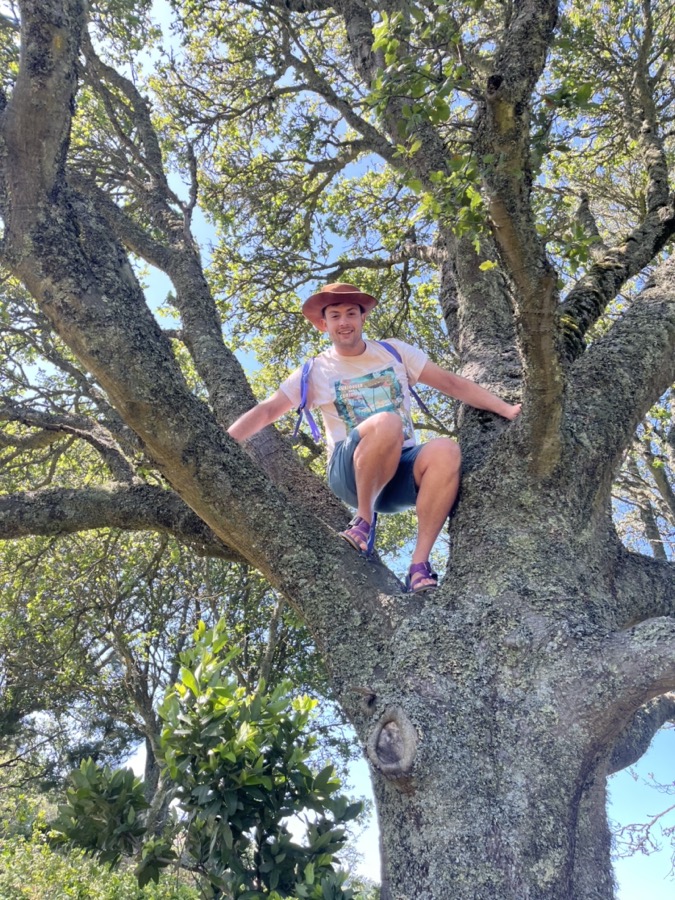
Steady Acre is a solo project by Jack Beautz, a software engineer and hobbyist naturalist based in the Bay Area. I built Cricket because I believe the land people farm and live on deserves more attention than it gets. A healthy ecosystem is not just a nice thing to have: it produces richer soil, better pollination, cleaner water, and food that actually tastes like something. The biodiversity you hear at night is a direct measure of how alive a place is.
Farmers and land owners are the best positioned people in the world to protect that. Most of them already care deeply. I wanted to build a tool that gives them something they've never had before: a continuous, honest picture of what's happening on their land, and the ability to act on it.
Everything here, the hardware, the AI pipeline, the dashboard, is built and run by me. If you're a farmer, land manager, researcher, or just curious, I'd love to hear from you.